Blog
Air Source Heat Pumps — FAQs & Guide
Air source heat pumps — frequently asked questions
Get professional heating services in Southampton, Portsmouth and Hampshire from our certified heating engineers at Clean Heat Solutions. Below we answer the questions we’re asked most often about air source heat pumps. If you’d like personal advice, call us on 07391 473964 or email info@cleanheatingsolutions.co.uk.
How do air source heat pumps work?
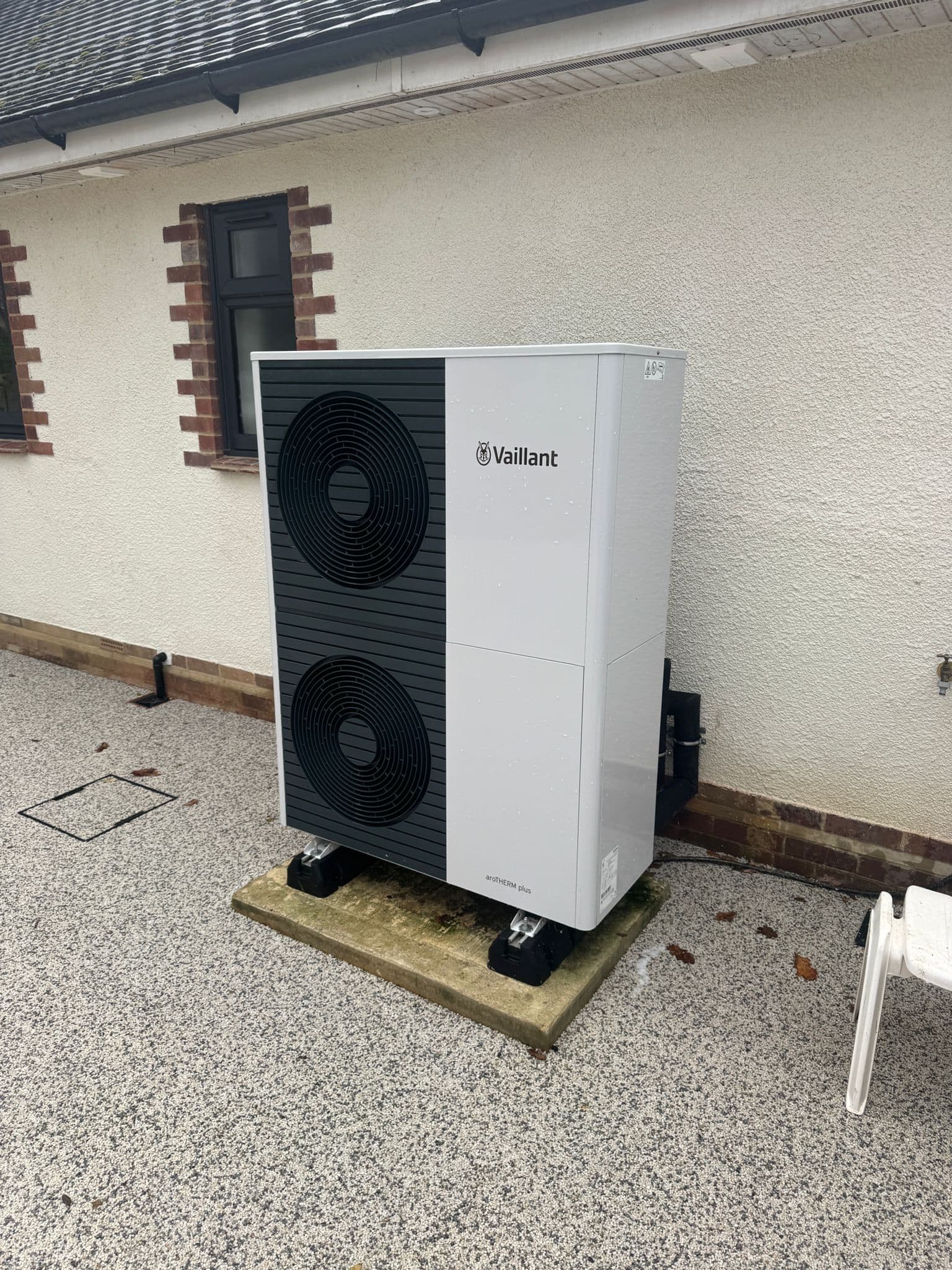
They work in the opposite order to how a refrigerator does. A low‑temperature fluid absorbs heat from the outside air, a compressor raises its temperature, and that heat is then used to heat water for use in your home. Although air source heat pumps require electricity to run, they offer lower running costs and less environmental impact than electric, oil and solid fuel systems because they draw natural heat from the air. They are therefore especially suited to off‑gas properties.
How durable is an air source heat pump?
With routine maintenance from a certified heating engineer, you can expect an air source heat pump to work for 20 years or longer.
What should I do if I detect a fault?
Like any other central heating system, air source heat pumps require maintenance to keep them safe and functional. While some maintenance is simple and can be done by the homeowner, other tasks should be left to professional heating engineers.
Maintenance tips to keep your heat pump efficient
- Get your heat pump checked by a certified engineer at least once a year.
- Look out for any plant growth near your air source heat pump and remove it.
- Periodically check the pressure gauge on your home’s central heating system — if you don’t know how, ask your contractor to demonstrate it.
- In winter, use antifreeze to keep your heat pump working properly.
For professional servicing and planned maintenance, see our heat pump servicing & maintenance page.
Does a power cut affect the working of air source heat pumps?
Yes. A power outage causes a temporary loss of heating and hot water, since an air source heat pump depends on electricity to operate. This happens with any heating system that relies on electricity, including certain gas and oil systems that depend on electricity to ignite combustion.
Can old radiators be used with a new air source heat pump?
Compared to other “wet” central heating systems, air source heat pumps work at lower temperatures. Because of this, they need distribution methods with a higher surface area, such as underfloor heating or bigger radiators. It is therefore probable that you will need to replace any existing radiators with larger ones.
How long does installation take?
As an outdoor unit and an indoor unit are installed in place of the previous device, the process is often finished in 3 days. A ductless system could need just one day to install.
Will increasing the temperature heat a room faster?
No — using the heat pump like a standard radiator is not beneficial and is counterproductive. The equipment is put under pressure when set to a high temperature, because it struggles to absorb the heat from the air needed to reach it. Setting the temperature to the desired level and allowing the system to warm up is much more effective, as it happens faster and uses less energy.
Are air source heat pumps expensive to run?
A conventional heating system, such as electric storage heaters, often uses more energy than a heat pump. A storage heater converts one unit of electricity you consume into one unit of heat. By contrast, an air source heat pump is around three times more efficient than storage heating, creating around three units of heat for every unit of electricity used.
What should I expect during installation?
Our heating engineers will go through the installation procedure with you, including where to place the air source heat pump and how much disturbance to anticipate. Depending on your present heating system, the installation might take between one and five days. As minor preparation you might need to move some personal items. After doing a technical survey of your property, our heating engineer will be in a position to provide you with complete advice. For professional installations and bespoke design, see our air source heat pump installations page.
What permissions are required to install an air source heat pump?
Many air source heat pump installations qualify as “permitted development”, so you most likely won’t need to obtain planning approval. It is generally advised to first inquire with your heating services provider.
How do I choose the right size heat pump?
This is a key decision, as the wrong size can substantially raise your costs and degrade performance. Before making any decision, it is best to get advice from a certified heating engineer.
Are air source heat pumps suitable for all places?
This depends on the type of fuel you usually use to heat your home, the degree of insulation already present, and the amount of installation space available. The unit can be installed on a wall or on the ground outside your home, and it needs sufficient area and a lot of room around it to achieve a decent flow of air.
What types of air source heat pump are available?
- Ducted — these installations rely on air ducts already built into the walls of your home. The outdoor unit is linked to an indoor air handler that circulates warm or cool air through your ducts and throughout the building.
- Ductless (mini‑splits) — these systems provide precise temperature control through a decentralised approach, placed in only certain sections of the home using wall‑mounted units. The number of units needed depends on how your property is laid out and how many rooms need separate control.
Clean Heat Solutions provides heating services for air source heat pumps in Southampton, Portsmouth and Hampshire. Call us now on 07391 473964 or email info@cleanheatingsolutions.co.uk to get help from our heating engineers.
Other Articles