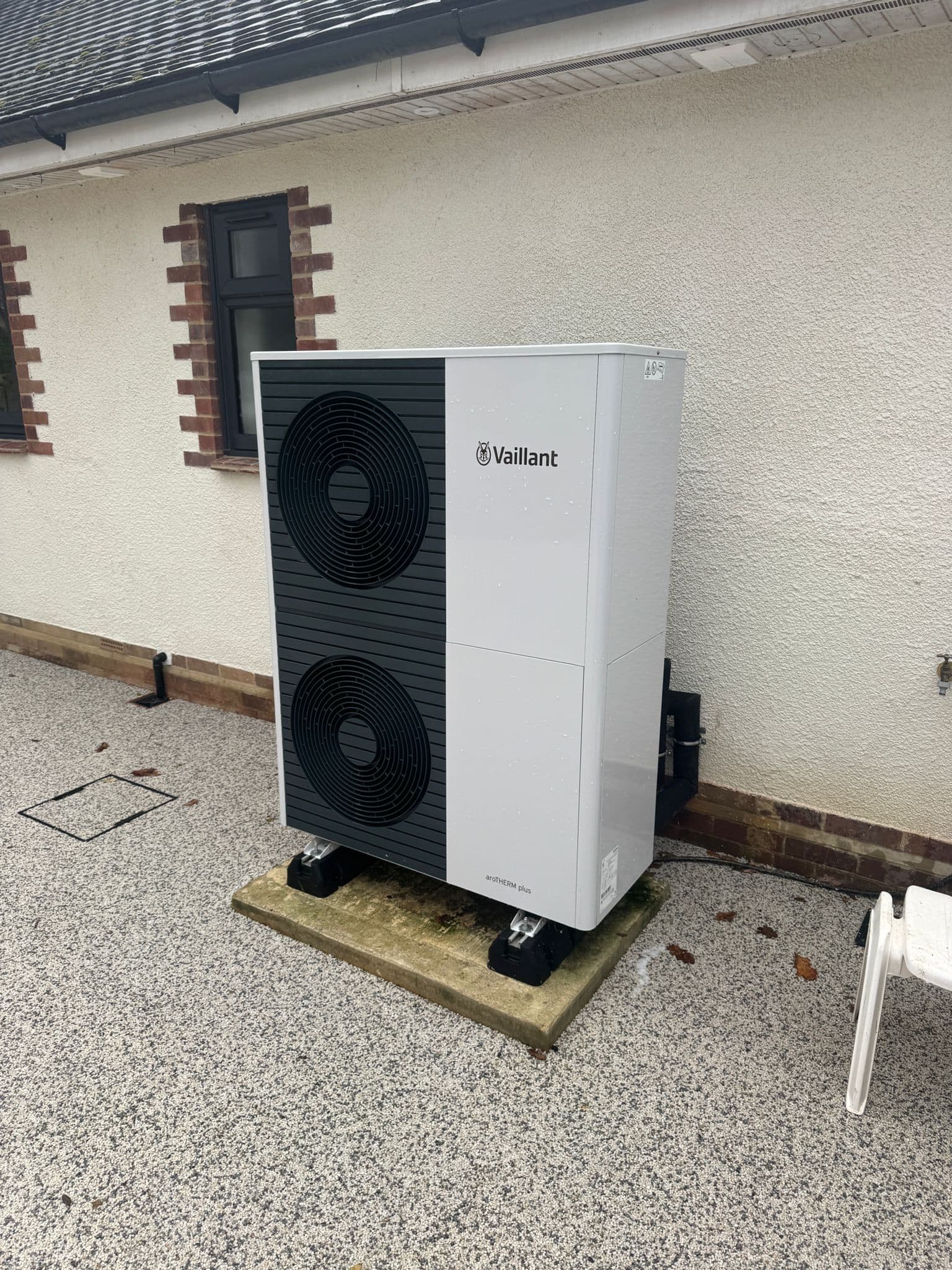
Frequent starts and stops can affect comfort, efficiency and equipment life, but the right checks can identify the cause.
Blog
Heat Pump Short Cycling: Causes, Risks, and Fixes
Clean Heat Solutions Ltd

A heat pump should usually run for steady, extended periods rather than switching on and off every few minutes. If yours starts, stops and restarts frequently, it may be short cycling, a sign that the system is not operating as intended.
Short cycling can lead to uneven room temperatures, higher electricity use and extra wear on components. Several issues can cause it, from system design and water flow to thermostat settings, so identifying the pattern is the first step towards a reliable fix.
What heat pump short cycling means
In plain English, short cycling is when a heat pump runs for a brief period, reaches its target temperature quickly, shuts down and then starts again soon afterwards. A heat pump may naturally pause when the heating demand has been met, but repeated short run times are different from normal operation.
Heat pumps work most efficiently when they deliver gentle, consistent heat at a low flow temperature. Frequent starting and stopping can reduce efficiency and make rooms feel alternately too warm and too cool. It also places additional demand on controls, fans, pumps and compressors, although the exact impact depends on the equipment and the cause.
Common causes of frequent starts and stops
System design and water volume
An incorrectly sized heat pump can produce more heat than the property needs during mild weather. If the design assumptions were inaccurate, or the system has too little water volume, the target temperature may be reached quickly and the unit can cycle repeatedly.
Low system volume can also occur where there are only a few small heating circuits or where several radiators and underfloor heating zones are regularly turned off. A buffer vessel or volumiser may sometimes help, but it should only be considered after proper design and flow checks.
Flow, filters and closed zones
Low water flow is another common cause. Partly closed valves, incorrect pump settings, air, a clogged strainer or dirty system filter can restrict circulation and cause the heat pump to reach its limit before heat has been distributed around the property.
Zone controls can add to the problem. Multiple thermostats, actuators and smart controls may be working against one another, particularly when most zones are closed while the heat pump is still producing heat. A suitable bypass arrangement and correctly configured controls can help maintain the flow the system requires.
Very short run times followed by frequent restarts
Radiators or underfloor heating that remain cooler than expected
Flow or temperature-related error codes
Clicking, humming or repeated pump and valve noises
Large swings between room temperatures and thermostat readings
Controls, thermostats and temperature settings
A thermostat placed near a radiator, in direct sunlight or close to a draught can sense the wrong room temperature. It may turn the system off before the rest of the property is comfortable. Setpoints that are changed frequently, a small temperature differential or incompatible third-party controls can have a similar effect.
Heat pumps generally respond better to weather compensation and steady settings than to large manual adjustments. However, controls vary between installations, so an engineer should check the actual configuration rather than simply recommending a higher or lower thermostat setting.
Defrost cycles can look similar
During cold, damp weather, an air source heat pump may enter a defrost cycle to remove ice from its outdoor coil. The unit can temporarily change its operating sounds, pause space heating or produce visible water and vapour outside. This is normally a controlled process, not necessarily short cycling.
Defrost behaviour becomes more concerning if it happens unusually often, lasts too long or is accompanied by poor heating and error codes. Note the outdoor temperature, frequency and duration of these events so the engineer can distinguish normal defrosting from a flow, sensor or refrigeration fault.
Checks an engineer can carry out
Before changing parts or adding equipment, a heating engineer should assess the complete system. The aim is to establish whether the heat pump is responding to a genuine loss of demand, a control instruction or a fault condition.
Measure flow rates through the heat pump, heating circuits and any zones.
Check the temperature difference, between flow and return water.
Inspect strainers, filters, valves, pumps, actuators and air in the system.
Test temperature sensors, thermostat readings, weather compensation and control settings.
Review error codes, run times, defrost history and the original design assumptions.
They may also compare radiator and underfloor heating temperatures with the displayed readings, check minimum flow requirements and confirm that closed zones are not restricting circulation. A diagnostic visit should end with clear recommendations, whether that means balancing, cleaning, adjusting controls or reviewing the system design.
Safe steps for homeowners
You can record how long the heat pump runs, how often it restarts and which rooms feel uncomfortable. Take photographs of any error codes and note unusual noises, cold radiators, underfloor heating temperatures and weather conditions. Check that accessible thermostats have not been moved and that vents or outdoor units are not obstructed.
Do not attempt refrigerant, electrical or sealed-system work yourself. These tasks require the right qualifications, tools and safety procedures, and incorrect adjustments can damage the equipment or create a serious hazard.
Arrange a heat pump diagnostic visit
Short cycling is not something to ignore, but it is often possible to improve with accurate testing and careful optimisation. Clean Heat Solutions Ltd can investigate the cause, assess flow and controls, and recommend practical next steps.
To book a diagnostic and optimisation visit, call 07391473964. You can also read more about heat pump servicing and maintenance for more information.
Other Articles