
Understanding the difference between a buffer tank and volumiser can help you make sense of your heat pump design and performance.
Blog
Buffer Tank vs Volumiser: What Your Heat Pump Needs
Clean Heat Solutions Ltd
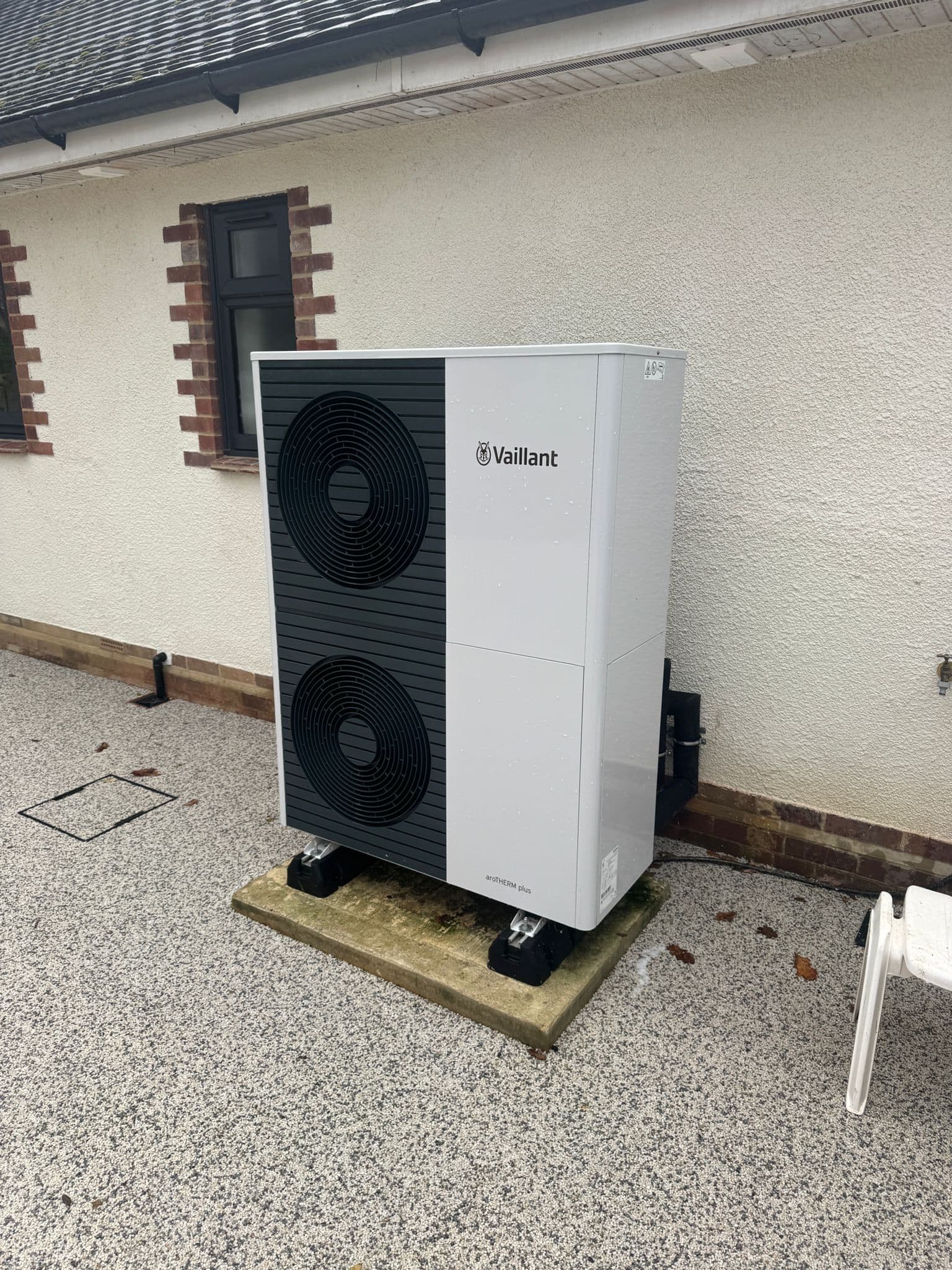
Choosing between a buffer tank and a volumiser is not simply a matter of picking one component over the other. Both can support a heat pump by improving water volume and flow, but the right solution depends on the emitters, pipework, controls and layout of the whole heating system.
What is a buffer tank?
A buffer tank is an insulated vessel connected to the heating circuit. It holds a volume of heated water between the heat pump and the emitters, such as radiators or underfloor heating, helping to separate heat pump operation from changes in the home.
For example, if several thermostatic radiator valves or heating zones close, the buffer can help maintain an acceptable flow path for the heat pump. It may also reduce frequent starting and stopping, known as short cycling, by giving the system more water to heat before the heat pump reaches its target temperature.
What is a volumiser?
A volumiser is usually a simpler vessel added to increase the total water volume in a heating system. Unlike a buffer tank, it is not normally intended to hydraulically separate the heat pump circuit from the emitter circuit. It works as part of the same circuit, adding capacity without necessarily creating separate primary and secondary flows.
This extra volume can help a system meet the heat pump’s minimum water requirement, particularly where the property has a small number of radiators, short pipe runs or multiple zones that regularly close. The most suitable arrangement depends on the manufacturer’s technical requirements and the engineer’s design calculations.
When can extra volume and flow help?
Heat pumps generally work best with steady flow and long operating periods. A system with too little water volume or too many restrictions can respond quickly to temperature changes, causing the heat pump to cycle more often than intended.
Frequent starting and stopping, especially during mild weather
A noisy circulation pump or rushing water through radiators
Noticeable temperature swings between rooms
Heating zones closing and leaving too little open flow
Flow temperatures that change sharply instead of settling gradually
These symptoms do not prove that a buffer tank or volumiser is needed. They can also result from incorrect pump settings, poor balancing, blocked filters, unsuitable controls or an undersized system. A proper assessment should identify the actual cause rather than adding components as a quick fix.
Common heat pump system layouts
Heat pump connected directly to the emitters
In a direct system, the heat pump supplies the radiators or underfloor heating circuits without a buffer tank or low-loss header. This can be a straightforward and efficient arrangement where the system has adequate water volume, open flow paths and controls that work well with heat pump operation.
However, all the circuits must continue to provide the required minimum flow. If many zones close at once, the pump may become restricted, and the system could experience noise, flow errors or short cycling.
Buffer tank with separate heating circuits
A buffer tank can sit between the heat pump and the emitters, with primary and secondary pumps or circuits moving water through each side. This arrangement can make it easier to manage several zones, mixed emitter types or systems where the heat pump needs guaranteed flow regardless of what the room controls are doing.
The disadvantages are that the design is more complex and the tank must be correctly sized, insulated and controlled. If temperatures or pump speeds are set poorly, the arrangement may add unnecessary mixing or reduce efficiency.
Low-loss header and volumiser arrangements
A low-loss header provides hydraulic separation between circuits, allowing pumps to operate without directly interfering with one another. It can be useful in larger or more complicated installations, but it is not automatically required on every domestic heat pump system.
A volumiser may be fitted without a low-loss header when the main requirement is simply more water volume. In some designs, a small vessel is used in a carefully selected position to support minimum flow while keeping the system relatively simple. The correct position and connection method matter, so this should be determined during system design.
Buffer tank misconceptions
A buffer tank is not automatically bad, wasteful or a sign of poor design. It can be a sensible solution when the system has several zones, variable flow, limited emitter volume or a specific minimum-flow requirement.
Equally, fitting a buffer to every heat pump is not best practice. An unnecessary tank can add heat loss, extra pipework and more components to maintain. The goal is not to avoid or include a buffer at all costs, but to create stable flow and efficient control for the property.
What an engineer will assess
Before recommending a buffer tank or volumiser, an engineer should review the heat pump’s minimum flow and minimum water volume requirements. They will also consider the total emitter volume, pipe sizes, radiator and underfloor heating circuits, open flow paths and how zones operate.
The control strategy is just as important. Weather compensation, thermostats, thermostatic radiator valves, zone valves and circulation pumps must work together rather than repeatedly switching against one another. A design review should also consider whether balancing, filter cleaning or control adjustments could solve the issue without adding equipment.
Get your heat pump design reviewed
If you are experiencing frequent cycling, noisy pumps, temperature swings or flow problems when zones close, ask a qualified heating engineer to investigate the complete system. Clean Heat Solutions Ltd can review your heating design and advise whether a direct layout, volumiser, buffer tank or another adjustment is appropriate.
Call Clean Heat Solutions Ltd on 07391473964 to request a design review. You can also read our pages on Short Cycling for further practical advice.
Other Articles


