Blog
Low-Temperature Heating Systems: Benefits, How They Work & Why Switch
Why homeowners are choosing low-temperature heating systems
The benefits of low-temperature heating systems extend beyond energy savings. More UK homes are moving towards lower flow temperatures to enable cleaner heat sources, improve system longevity and create healthier indoor air. That shift makes it easier to install heat pumps, helps existing gas boiler systems run more reliably, and opens the door to low-carbon heating without compromising comfort.
What is a low-temperature heating system?
Low-temperature heating doesn’t mean a cold house — it means a heating system that delivers comfortable indoor temperatures while operating with lower emitter temperatures. Typical examples include radiators running at around 25°C–50°C and underfloor systems that work effectively at similar or lower flow temperatures. In practice, space heating systems rarely exceed 35°C–55°C at the emitter face when designed and controlled correctly.
Achieving a genuinely low-temperature system usually requires three complementary measures: better insulation, modulating low-temperature controls, and larger or more efficient emitters. Each helps reduce required flow temperatures, but combining them maximises comfort and efficiency. A simple and highly effective step is installing modulating controls such as weather compensation or load compensation to match heat output to demand.
How low-temperature heating is achieved
- Improved fabric and insulation — reducing heat loss lowers the temperature required to keep rooms comfortable.
- Low-temperature controls — modulating controls (weather compensation/load compensation) reduce flow temperatures at milder outdoor conditions and increase them only when needed.
- Larger or lower-temperature emitters — bigger radiators or underfloor heating spread heat more evenly at lower surface temperatures. Consider underfloor heating for best results: underfloor heating.
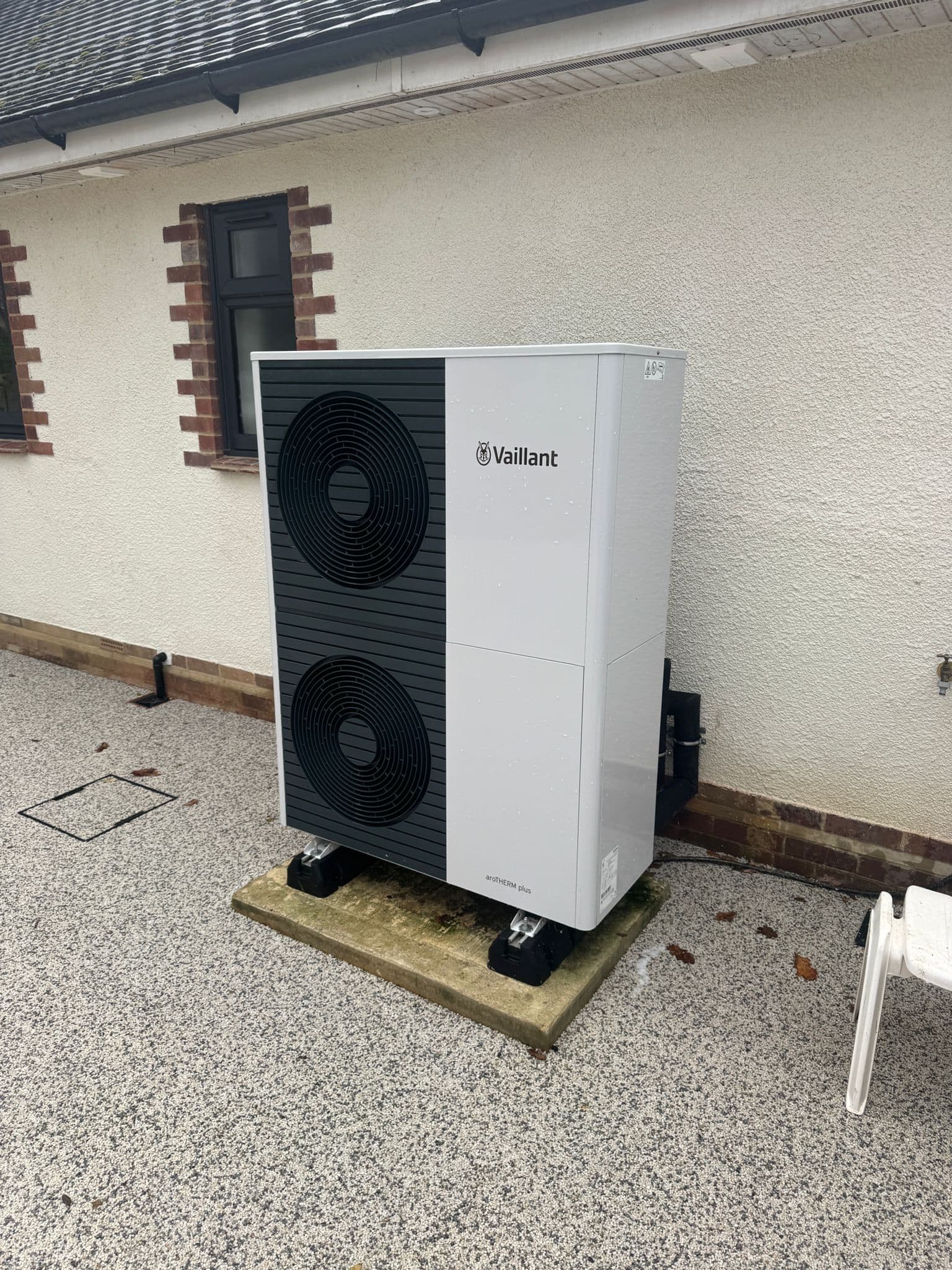
- Low-temperature heat sources — heat pumps are designed to deliver heat efficiently at lower flow temperatures; see our guide to air source heat pumps.
Top benefits of low-temperature heating systems
1. Slower corrosion rates inside the heating system
Corrosion is your main enemy after system start-up. Contamination in the system water damages pumps, valves, gas boiler primary heat exchangers, system balance and emitter efficiency. Chemical reactions proceed faster at higher temperatures, because heat excites molecules and raises their collision rate with other compounds; as a rule of thumb, corrosion rate roughly doubles for every 10°C increase. For example, if corrosion is 10 mpa (mils per annum) at 50°C, it would be about 20 mpa at 60°C. Dissolved oxygen is the active driver of oxidation, and the way a system is vented or sealed affects oxygen levels.
Open-vented systems that reach higher temperatures (above about 80°C) rapidly lose dissolved oxygen to the atmosphere, reducing corrosion. In contrast, sealed systems retain oxygen under pressure, so oxygen levels — and corrosion risk — can remain higher. Many modern systems still operate with maximum flow temperatures around 80°C and returns near 60°C, so they will not even begin to notice a reduction in corrosion; in fact a sealed system will never experience lower corrosion rates than an open-vented system until the flow temperature reaches over 90°C. The only practical way to stop corrosion is to slow it down, and reducing flow temperatures does exactly that, extending component life.
2. Less thermal shock and fewer material failures
Repeated cycles of heating and cooling produce thermal stress in boilers, pumps, valves and pipework. Different materials expand and contract at different rates, and interfaces between dissimilar materials are particularly vulnerable to fatigue and cracking. This is why many engineers favour robust materials such as brass and copper in boilers and heat exchangers and are cautious about composites in high-stress areas.
High cycling temperatures also dry out greased mechanical parts, harden or degrade rubber seals in joints and valves, and accelerate wear in moving parts. Operating at steadier, lower temperatures reduces these effects, increasing the interval between repairs and improving long-term reliability — which in turn maintains system efficiency.
3. Cleaner, safer indoor air
Despite the name, most of a radiator’s warmth is delivered by convection rather than radiation — it is claimed that convection produces around 80% of a radiator’s heat, with the exact split depending on the radiator’s temperature. Convection currents draw air up the radiator surface and through its fins, spreading heat around the room. That air movement also dislodges dust, fibres and other allergens that collect on radiator surfaces and behind convector fins.
Common allergens include dead skin, dust mite faeces, dead mites, mould and animal hair. Dust mite excrement is a particularly potent trigger and severely affects around 10% of people, worsening conditions such as childhood asthma. Higher emitter temperatures can also dry indoor air and aggravate eczema and respiratory discomfort.
Even a small reduction in emitter temperature shifts the balance towards more radiant heat and gentler air movement, which settles the air and reduces airborne dust disturbance — a significant benefit, particularly for homes with fragile or allergy-sensitive occupants.
Speak to our heating engineers in Hampshire & West Sussex
If you’re exploring the benefits of low-temperature heating systems for an existing boiler or considering a heat pump installation, our team can help. Call us on 07391 473964 or get in touch and we’ll be happy to help.
Other Articles