Blog
Benefits of Underfloor Heating for Portsmouth, Southampton & West Sussex
Why choose underfloor heating: benefits of underfloor heating for homes in West Sussex, Hampshire, Portsmouth and Southampton
Underfloor heating is increasingly popular across West Sussex, Hampshire, Portsmouth and Southampton — and for good reason. At Clean Heat Solutions we install systems that combine comfortable, consistent warmth with improved energy performance. This article outlines the key benefits of underfloor heating, explains the main system options and answers the questions homeowners ask most often.
Core advantages of underfloor heating
Energy efficiency and running costs
Underfloor heating heats a large surface area rather than a small radiator, so it achieves comfortable room temperatures while operating at lower water temperatures. That efficiency typically delivers 15–40% lower energy usage compared with standard radiators, which can translate to notable savings on heating bills — particularly when paired with low‑temperature heat sources.
More even heat distribution
Unlike radiators that concentrate heat in one area, underfloor heating radiates warmth across the whole floor. The result is uniform temperatures from the floor up, fewer cold spots and a more comfortable living environment without hot or cold zones.
Works well with renewable heating
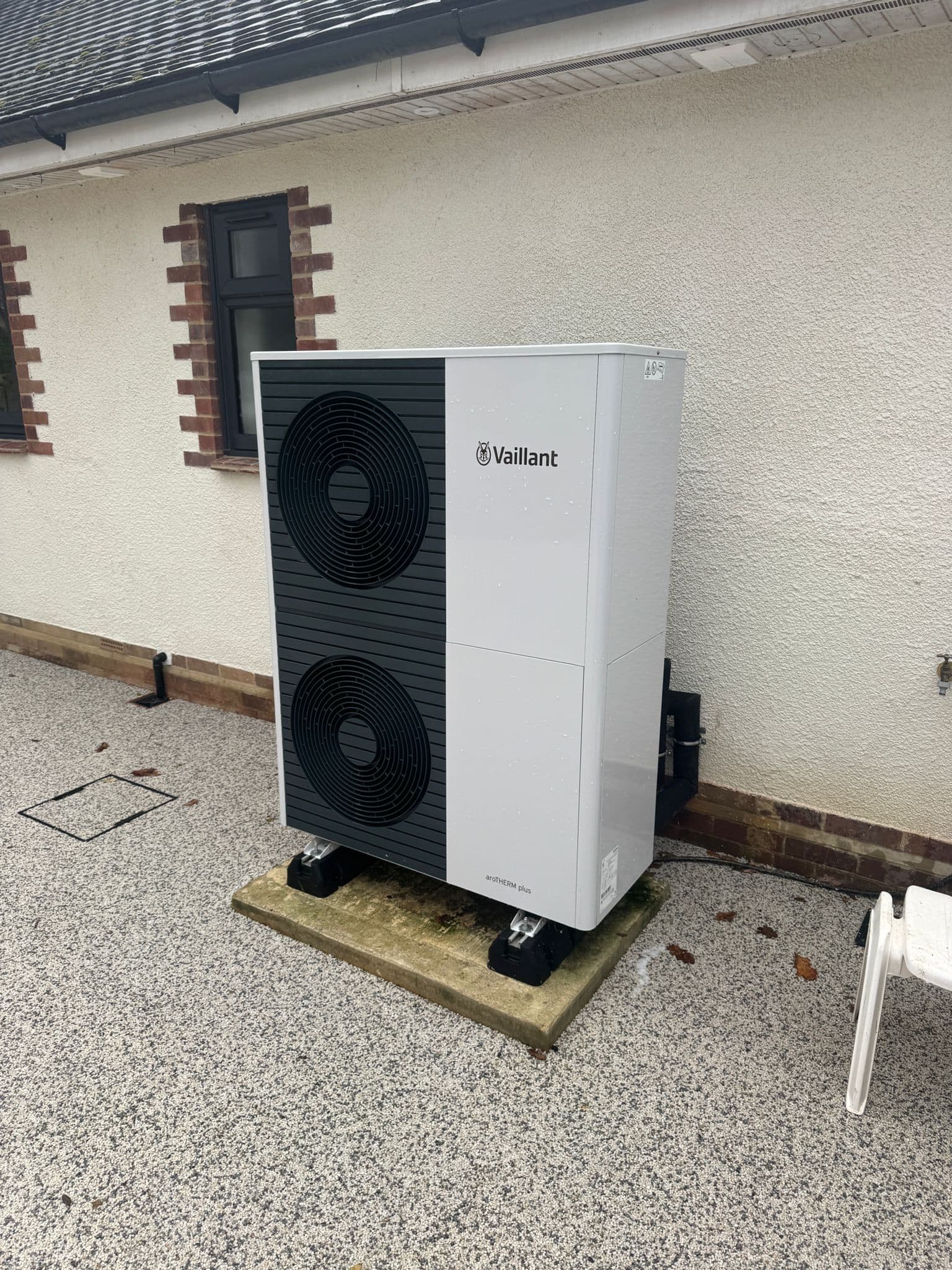
Underfloor systems are ideal partners for renewable technologies such as air source heat pumps because they perform efficiently at lower flow temperatures. If you are planning to future‑proof your heating with a heat pump, underfloor heating is a sensible match — see our air source heat pump services for details on pairing these systems here.
Reclaims wall space and improves interiors
Removing radiators frees up wall space for flexible furniture layouts, improved sight lines and a cleaner aesthetic. That extra room can make a real difference in kitchens, bathrooms and living areas where layout is important.
Retained comfort through radiant heat
Underfloor heating warms objects and surfaces as well as the air, which means rooms retain heat for longer after the system is switched off. The radiant effect lets you turn off your heating while still enjoying comfortable temperatures for hours afterwards.
Compatible with most floor finishes
There’s a common misconception that underfloor heating requires a particular flooring type. In reality, systems can be installed beneath:
- Wood flooring
- Tile and stone
- Vinyl
- Carpet
Different finishes have different thermal conductivities, but professional design and installation ensure the system is tuned to your chosen floor covering for reliable performance.
Low maintenance and long life
Once correctly installed, underfloor heating requires minimal maintenance. Water‑based systems are robust and, with routine checks, provide reliable service for many years. Electric systems have fewer moving parts and are similarly low maintenance when professionally installed.
Improves property appeal
Underfloor heating is often viewed as a premium feature. Its energy efficiency, comfort benefits and modern appearance can increase buyer interest and may enhance perceived value when you sell.
Smart controls and zoning
Modern underfloor heating can be integrated with smart home technology, allowing for precise temperature control in different zones of your home. Zoning allows you to heat rooms only when needed, helping optimise energy usage while maintaining comfort throughout your property.
Choosing the right system: water‑based vs electric
There are two primary system types, each with distinct advantages:
- Water‑based (wet) systems: Connected to your central heating, these are efficient for whole‑house installations or large areas and pair well with heat pumps. They are commonly installed during new builds or major refurbishments.
- Electric systems: Easier to retrofit and typically quicker to install, electric mats or cables suit single rooms or smaller projects and usually incur lower initial installation costs.
Installation times
Installation time varies by system and project scope. Electric systems can usually be fitted in a single room within 1–2 days. Water‑based systems take longer, especially for full‑property installs, because of screeding and commissioning requirements. We can provide a specific timeline based on your project requirements.
Frequently asked questions
How energy efficient is underfloor heating?
Underfloor heating is typically 15–40% more efficient than traditional radiators because it operates at lower temperatures while heating the entire room from the floor up. The large surface area means it only needs to be a few degrees warmer than room temperature, making it particularly efficient when combined with renewable technologies like heat pumps.
Which type of system should I choose — water or electric?
Water‑based systems are usually best for whole‑house installations and new builds, while electric systems are ideal for retrofits or single rooms. Your choice depends on property layout, budget and whether you plan to use a heat pump.
What floor coverings work with underfloor heating?
Underfloor heating works with wood, tiles, stone, vinyl and carpet. Each material conducts heat differently; our expert installers will design the system to suit your flooring and ensure efficient performance.
Will it increase my property value?
Yes. Many buyers view underfloor heating as a desirable, energy‑efficient feature, and it can enhance the appeal and perceived value of your home.
Is underfloor heating compatible with heat pumps?
Yes. Underfloor heating is highly compatible with heat pumps because both operate efficiently at lower temperatures, making the combination a sensible choice for homeowners moving towards renewable heating.
Speak with heating engineers in West Sussex and Hampshire
For more information on underfloor heating installations in Portsmouth, Southampton, West Sussex and Hampshire, get in touch with us by calling us on 07391473964 and we’ll be happy to help. Find full details of our underfloor services here, or get in touch via our contact page.
Other Articles