Blog
Maximising Air Source Heat Pump Efficiency: Practical Tips
Maximising the efficiency of your air source heat pump
Air source heat pumps are an increasingly popular, low-carbon way to heat homes across the UK. To get the most from this technology you need more than a good unit — you need the system to be specified, installed and operated with efficiency in mind. This guide explains practical steps to help you start maximising the efficiency of your air source heat pump today.
At-a-glance checklist
- Book regular maintenance and annual servicing.
- Make sure the heat pump is correctly sized for your property.
- Improve insulation and reduce heat loss.
- Use smart controls and sensible thermostat settings.
- Maintain clear airflow around the outdoor unit.
- Consider pairing with low-temperature distribution such as underfloor heating.
- Manage hot water use and cylinder settings effectively.
Regular maintenance keeps performance high
Routine servicing is vital to maintain efficiency and prolong the life of the system. Arrange an annual or manufacturer-recommended service to check refrigerant levels, electrical connections, control settings and the defrost cycle. Simple tasks between services — such as keeping filters and coils free from dust, debris and leaves — can prevent performance loss and help the system maintain its rated efficiency.
For ongoing support and planned servicing, we provide professional maintenance packages to keep systems running at their best. Learn more about our servicing options on our heat pump servicing and maintenance page.
Correct sizing and system design
An oversized or undersized heat pump will struggle to operate efficiently. Correct sizing starts with a heat loss assessment and a well-considered heating design that takes the building fabric and usage patterns into account. A properly sized heat pump runs for longer, gentler cycles which improves seasonal performance and reduces electricity demand.
If you’re planning an installation or upgrade, professional design and installation make a measurable difference. Discover our installation services at air source heat pump services.
Improve insulation and reduce heat loss
The warmer you can keep the structure, the less work the heat pump has to do. Insulating lofts, cavity walls, pipework and hot-water cylinders, plus draught-proofing windows and doors, reduces heat loss and makes low-temperature heating more effective. Good insulation is one of the most cost-effective ways to improve system efficiency and occupant comfort.
Smart controls and thermostat strategy
Modern controls help match output to demand. Programmable thermostats, timer schedules, and weather-compensated control can reduce unnecessary running hours and avoid overheating rooms. Zoning — where different parts of the house have independent control — lets you heat only the spaces you use.
Set your heating to maintain a stable background temperature rather than frequently switching between high and low. Small adjustments to daily schedules and faster reaction times from smart controls will often reduce energy consumption without compromising comfort.
Keep airflow clear around the outdoor unit
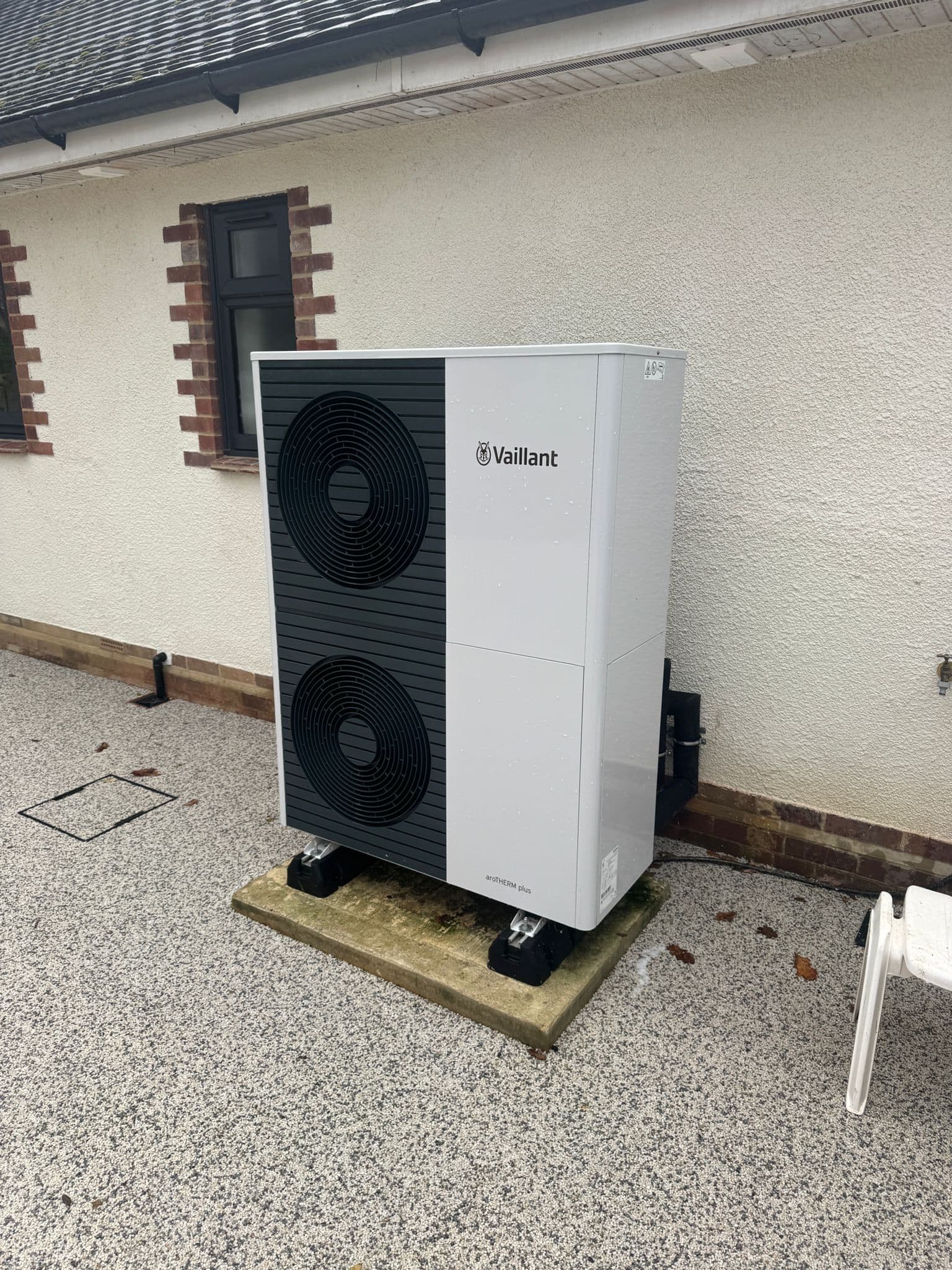
Air source heat pumps extract heat from the surrounding air, so unrestricted airflow around the outdoor unit is essential. Keep plants, fences and stored items well clear; avoid locating the unit in enclosed, poorly ventilated spaces. Regularly clear snow, leaves and debris to ensure the fan and coils work efficiently and the unit can complete defrost cycles when needed.
Pairing with low-temperature distribution — underfloor heating
Heat pumps operate most efficiently when delivering heat at lower flow temperatures. Underfloor heating is naturally well suited to this profile because it provides large surface areas that distribute heat evenly at lower temperatures. If you’re considering a new heating layout, speak to a specialist to explore how underfloor systems can improve overall system efficiency.
Optimise hot water usage
Heating domestic hot water accounts for a significant portion of heat pump workload. Avoid overheating the cylinder and use timers to heat water during periods of lower electricity demand where possible. Insulating the hot-water cylinder and pipes will reduce standby losses, and thermostatic mixing valves can maintain safe tap temperatures without requiring higher cylinder set-points.
How we can help
At Clean Heat Solutions Limited we support homeowners through design, installation and long-term maintenance to ensure air source heat pumps perform efficiently. Whether you need a heat loss assessment, a new installation or regular servicing, we cover West Sussex, Hampshire, Portsmouth and Southampton. Call us on 07391473964 or visit our contact page to arrange a consultation.
Key steps to improve efficiency
- Arrange professional sizing and a clear heating design before installation.
- Schedule regular maintenance and keep outdoor units clear.
- Upgrade insulation and pipework to reduce losses.
- Use smart controls and sensible thermostat schedules.
- Consider low-temperature distribution such as underfloor heating to get the best out of the heat pump.
Following these straightforward actions will help you get the best performance and lowest running costs from your air source heat pump. If you’d like tailored advice or a site visit, contact Clean Heat Solutions Limited on 07391473964 or view our services to find out more.
Other Articles